
Fact-checked by the The Insurance Scout editorial team
Quick Answer
Insuring a home that’s 30 or more years old requires a different approach than covering a new build. As of July 2025, older homes face higher premiums, stricter underwriting, and coverage gaps tied to aging systems like electrical, plumbing, and roofing. To protect your home properly, you’ll need to audit your systems, choose the right coverage type, and disclose upgrades to your insurer.
Getting the right homeowners insurance for older homes is more complicated than simply renewing a policy year after year — especially once your house crosses the 30-year mark. According to the Insurance Information Institute, the average homeowners insurance premium has risen sharply in recent years, and older homes can pay significantly more than comparable newer builds due to outdated systems and higher rebuild costs. As of July 2025, insurers are tightening underwriting criteria for homes built before 1995.
The aging housing stock in the United States is a growing issue. The U.S. Census Bureau’s Housing Vacancy Survey reports that more than half of owner-occupied homes in the country were built before 1980. That means millions of homeowners are navigating a coverage landscape that was never designed with their property’s age in mind.
This guide is for owners of homes that are 30 years old or older — whether you’ve lived there for decades or just purchased an older property. By the end, you’ll know exactly what changes about your insurance at this milestone, how to avoid costly coverage gaps, and what steps to take to lower your premiums without sacrificing protection.
Key Takeaways
- Homes 30 or more years old can cost up to 20–30% more to insure than comparable newer builds, according to the Insurance Information Institute.
- Knob-and-tube wiring — found in many homes built before 1950 — is considered a major fire risk and can cause some insurers to deny coverage outright, per the National Fire Protection Association.
- Replacing an aging roof can reduce your annual premium by as much as $500 or more, based on data from the Insurance Information Institute’s home improvement guide.
- Many standard HO-3 policies cover your home at replacement cost value, but older homes often have actual cash value clauses that leave gaps — understanding this distinction, covered in our guide to actual cash value vs. replacement cost coverage, is critical for older-home owners.
- Homes with cast iron or galvanized steel plumbing — common in pre-1980 construction — have a failure rate significantly higher than modern PEX or copper piping, according to the U.S. Environmental Protection Agency.
- Upgrading your electrical panel to 200-amp service from older 60- or 100-amp systems is one of the top ways to improve insurability of an older home, as noted by the Insurance Information Institute.
In This Guide
- Why does homeowners insurance cost more for older homes?
- What do insurance companies look for when inspecting an older home?
- What coverage gaps should I watch out for with homeowners insurance on an older home?
- How do I lower my homeowners insurance premiums on an older home?
- How do I find an insurer that will actually cover my older home?
- How does renovating an older home affect my homeowners insurance?
- Frequently Asked Questions
Step 1: Why Does Homeowners Insurance Cost More for Older Homes?
Homeowners insurance for older homes costs more because aging materials, outdated systems, and higher rebuild costs all increase the risk that insurers are taking on. A home built in 1990 has plumbing, wiring, and roofing that is 35 years old — and insurers price that risk accordingly.
The Core Cost Drivers
The three main systems insurers scrutinize are the roof, electrical, and plumbing. A roof over 20 years old may no longer qualify for full replacement cost coverage with many carriers. Electrical systems using aluminum wiring (common in homes built from the 1960s through mid-1970s) carry a higher fire risk, according to the U.S. Consumer Product Safety Commission.
Rebuild costs are another driver. Older homes often feature craftsmanship — crown molding, plaster walls, hardwood details — that is expensive to replicate. Insurers account for this in their dwelling coverage calculations, which pushes premiums higher.
What to Watch Out For
Many homeowners assume their coverage amount from 10 years ago still reflects the true cost to rebuild. Construction costs have risen significantly, and a policy that was adequate in 2015 may leave you severely underinsured today. Review your dwelling coverage limit annually and compare it against current local construction costs per square foot.
Construction costs rose by more than 30% between 2020 and 2024, according to the National Association of Home Builders. Homeowners who haven’t updated their dwelling coverage limits in that period may be significantly underinsured.
For a broader look at what homeowners insurance costs in your state right now, see our detailed breakdown of homeowners insurance costs in 2026.
Step 2: What Do Insurance Companies Look for When Inspecting an Older Home?
When underwriting homeowners insurance for older homes, insurers conduct — or require — a home inspection focused on four major risk categories: the roof, electrical system, plumbing, and foundation. Each of these can trigger higher premiums, coverage exclusions, or outright policy denial.
The Four Systems Inspectors Examine
Roof condition and age is typically the first thing an underwriter flags. Most carriers want a roof that is fewer than 20 years old for asphalt shingles. Metal and tile roofs may be acceptable up to 30–40 years depending on condition.
Electrical systems are scrutinized for three known hazards: knob-and-tube wiring (pre-1950), aluminum wiring (1960s–mid-1970s), and undersized panels (60- or 100-amp service). Any of these can result in a non-renewal notice from your current insurer.
Plumbing materials matter because galvanized steel pipes corrode from the inside out and cast iron drains crack over time. Insurers may require a plumber’s inspection report before binding coverage on a home with original pre-1980 plumbing.
Foundation type and condition closes out the list. Stone or brick foundations common in homes built before 1940 can develop moisture issues that lead to mold claims — a category that many standard policies now limit or exclude entirely.
What to Watch Out For
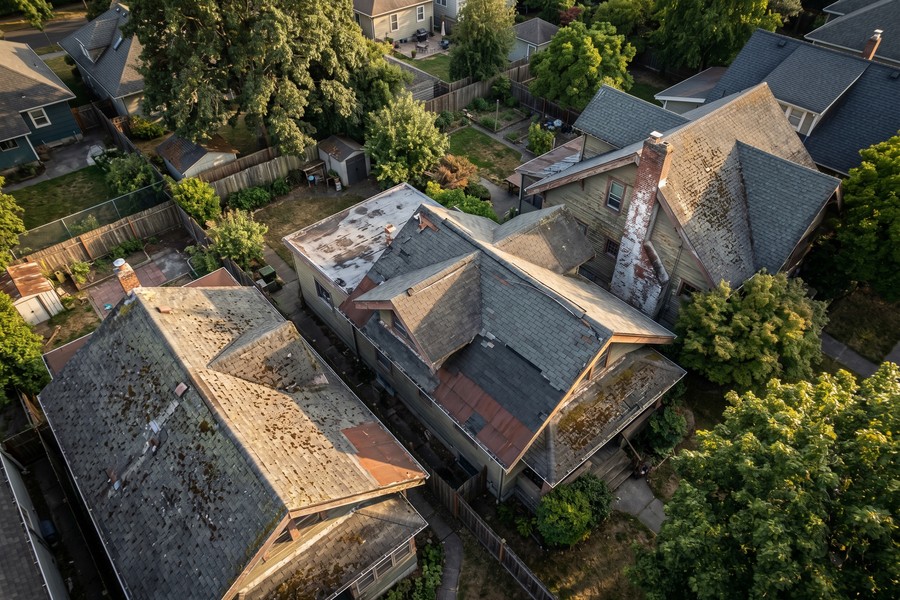
Some insurers conduct drive-by inspections using satellite imagery and aerial photography — tools like EagleView and Verisk’s 360Value are commonly used by underwriters. Your insurer may identify a problem you weren’t aware of and send a notice of cancellation with a 30- or 60-day cure period.
If your insurer sends an inspection notice, respond promptly. Failing to address identified issues — like a deteriorating roof or exposed wiring — within the stated timeframe can result in policy cancellation, leaving you scrambling for coverage in a hard market.
“Older homes are not uninsurable — but they do require a more thorough disclosure process. Homeowners who proactively document their upgrades and maintenance history will always get better underwriting outcomes than those who leave insurers to guess.”
Step 3: What Coverage Gaps Should I Watch Out For With Homeowners Insurance on an Older Home?
Older homes have specific coverage gaps that standard HO-3 policies do not automatically fill. The most significant are the actual cash value trap, ordinance and law exclusions, and limited mold and water damage coverage.
Actual Cash Value vs. Replacement Cost
Many insurers apply actual cash value (ACV) settlement to older roof sections — meaning they deduct for depreciation before cutting a check. On a 25-year-old roof, that depreciation could mean you receive only a fraction of what a new roof actually costs.
Replacement cost value (RCV) coverage pays what it actually costs to replace the damaged component today, with no depreciation deduction. For older homes, always verify whether your policy provides RCV for the structure and its components. Our detailed guide on actual cash value vs. replacement cost coverage explains exactly when each type applies.
Ordinance and Law Coverage
Ordinance and law coverage (also called Building Code Coverage) is often overlooked but critically important for older homes. If your home is damaged and local building codes require you to bring the structure up to current standards during repairs, your standard policy may not cover those extra costs.
For example, a fire that damages 40% of a home built in 1985 may trigger a requirement to upgrade the entire electrical system to current code. Without ordinance and law coverage, that cost falls entirely on you. Most insurers offer this as an endorsement, typically adding 10–25% to your dwelling coverage limit.
What to Watch Out For
Water and mold damage are the hidden danger zones for older homes. Standard HO-3 policies typically cover sudden and accidental water damage but exclude gradual leaks — which are far more common in aging plumbing systems. A slow pipe leak behind a wall can cause tens of thousands of dollars in damage before it’s detected.
Water damage and freezing account for 29% of all homeowners insurance claims by value, according to the Insurance Information Institute. Older homes with aging plumbing are disproportionately represented in this category.
| Coverage Type | What It Covers | Best For Older Homes? | Typical Added Cost |
|---|---|---|---|
| HO-3 Standard Policy | Open perils on structure; named perils on contents | Baseline — not sufficient alone | N/A (base policy) |
| Replacement Cost Value (RCV) | Pays full rebuild cost, no depreciation deduction | Yes — essential for older homes | 10–15% premium increase |
| Ordinance and Law Endorsement | Covers code-required upgrades during repairs | Yes — critical for pre-1990 homes | $50–$200/year |
| Service Line Coverage | Covers repair of underground utility lines | Yes — aging infrastructure risk | $30–$75/year |
| Water Backup Endorsement | Covers sewer or drain backup damage | Yes — older drain systems are vulnerable | $50–$150/year |
| Mold Remediation Rider | Extends mold coverage beyond standard $5,000 limit | Yes — especially pre-1980 homes | $100–$300/year |
Understanding how your policy handles losses before they happen is the best way to avoid surprises. To understand the full spectrum of what a standard policy covers and excludes, read our overview of named perils vs. open perils coverage.
Step 4: How Do I Lower My Homeowners Insurance Premiums on an Older Home?
You can lower your homeowners insurance premiums on an older home by making targeted upgrades to the systems insurers care most about: the roof, electrical panel, and plumbing. Each documented upgrade can translate directly into a lower rate.
How to Do This
Start with the roof. A new asphalt shingle roof can reduce your premium by $300–$500 per year, and impact-resistant roofing materials can earn an additional discount of up to 20% in hail-prone states, according to the Insurance Information Institute.
Next, upgrade your electrical panel if it is still 60- or 100-amp service or uses aluminum branch circuit wiring. A licensed electrician can install a modern 200-amp panel with copper wiring for approximately $1,500–$3,500, and most insurers will lower your premium and remove exclusions once you provide documentation.
Replacing original plumbing is a larger investment but pays dividends in both insurability and claim prevention. Converting from galvanized steel to PEX or copper typically costs $4,000–$15,000 depending on home size but can prevent a single water damage claim that could cost far more.
What to Watch Out For
Discounts are not automatic — you must inform your insurer of completed upgrades and provide documentation such as contractor invoices and permits. Many homeowners leave money on the table by completing upgrades without notifying their carrier.
Ask your insurer specifically which upgrades would trigger a rate reduction before you spend money on renovations. Get the answer in writing. Some carriers have a formalized “updated home discount” of 5–15% that kicks in when all four major systems have been updated within the last 20 years.
Bundling your homeowners policy with your auto insurance is another reliable way to cut costs, often saving $150–$300 per year. Also review whether your deductible is set appropriately — raising it from $1,000 to $2,500 can reduce premiums by 10–15% in many markets. See our guide on insurance deductible vs. premium to understand the trade-offs.
Step 5: How Do I Find an Insurer That Will Actually Cover My Older Home?
Not every carrier will write homeowners insurance for older homes with unupdated systems, so finding the right insurer requires targeting companies with programs designed for older or historic properties. The standard market, non-standard market, and state-backed insurers of last resort each serve different levels of risk.
How to Do This
Start with independent insurance agents rather than captive agents (who can only quote one company). Independent agents work with multiple carriers and know which ones are currently accepting older homes in your area. Search for an agent through the Independent Insurance Agents and Brokers of America (IIABA) directory at TrustedChoice.com.
If the standard market declines your home, carriers in the surplus lines market — such as Lloyd’s of London syndicates or specialty carriers like Foremost Insurance or National General — often write policies for homes that don’t qualify for standard coverage. Surplus lines policies may cost more and cover less, but they keep you legally covered.
As a last resort, most states operate a FAIR Plan (Fair Access to Insurance Requirements). These state-backed pools provide basic fire and hazard coverage when no private carrier will insure a property. FAIR Plans are not ideal — coverage is narrow and premiums are high — but they prevent you from being uninsured.
What to Watch Out For
When comparing quotes, do not compare only the premium. A lower-priced policy that excludes water damage or caps mold remediation at $5,000 could leave you with a massive out-of-pocket loss. Compare coverage terms, exclusions, and endorsements side by side — not just the annual cost.
If your home has historical or architectural significance — such as a Victorian, Craftsman bungalow, or mid-century modern — look for carriers that specialize in historic homes, such as Chubb or Cincinnati Insurance. These carriers often provide agreed value policies that cover the true cost to restore original details, not just standard rebuild costs.
Step 6: How Does Renovating an Older Home Affect My Homeowners Insurance?
Renovating an older home almost always affects your homeowners insurance — sometimes in ways that lower your premiums, and sometimes in ways that create temporary coverage gaps if you don’t notify your insurer before work begins.
How to Do This
Before any major renovation, call your insurer to disclose the planned work. Projects that increase your home’s value — such as adding a bedroom, finishing a basement, or updating a kitchen — need to be reflected in your dwelling coverage limit. Failing to update your coverage after a value-adding renovation means you could be underinsured at claim time.
Structural renovations like rewiring, replumbing, or replacing a roof should be reported to your insurer after completion with documentation. These upgrades can unlock discounts and remove exclusions that were previously on your policy due to outdated systems.
If your renovation involves contractors working on your property, confirm that each contractor carries their own general liability and workers’ compensation insurance. If an uninsured worker is injured on your property, your homeowners liability coverage could be triggered. Our comprehensive guide on how a home renovation affects your homeowners insurance covers this scenario in detail.
What to Watch Out For
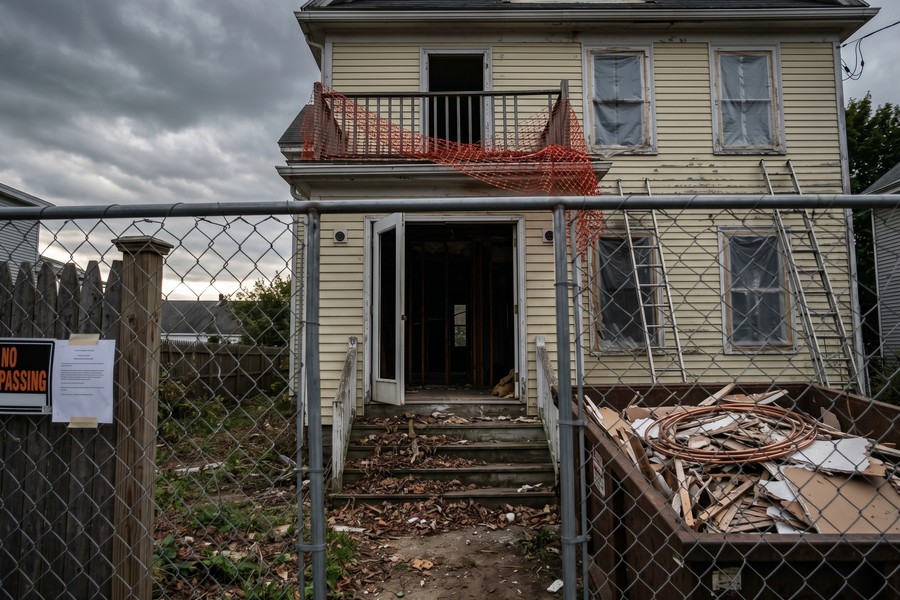
During a major renovation — especially if the home will be vacant for more than 30–60 days — your standard homeowners policy may suspend coverage. Most HO-3 policies contain a vacancy clause that voids or limits protection once a home sits empty past that threshold. Ask your insurer about a builder’s risk policy or vacancy endorsement to bridge this gap.
“The biggest mistake I see homeowners make is completing a major renovation without telling their insurer. You’ve just changed the risk profile of the property — sometimes dramatically. That conversation needs to happen before the work starts, not after a claim.”
For homeowners who are also first-time buyers purchasing an older property, understanding the insurance requirements before closing is equally important. Our guide on homeowners insurance for first-time buyers before closing walks through what to secure before you sign.
Failing to report a significant renovation to your insurer can be treated as a material misrepresentation. In a worst-case scenario, your insurer could deny a claim or cancel your policy if the renovation materially changed the risk and you did not disclose it. Always document communications with your insurer in writing.
Renovations are also a common trigger point for needing to revisit your entire insurance picture. If you’re making major changes to your home, it’s worth reading our guide on when to update your insurance after a major life event to make sure nothing falls through the cracks.
Frequently Asked Questions
Can I get homeowners insurance on a house that is 50 years old?
Yes, you can get homeowners insurance on a 50-year-old house, but your options depend heavily on whether the major systems have been updated. A home from the 1970s with original wiring, plumbing, and a 30-year-old roof will face rejections from many standard carriers. However, surplus lines carriers, specialty insurers, and state FAIR Plans provide coverage options even for difficult-to-insure older properties. Updating at least one or two major systems significantly expands your standard market options.
What is the oldest house you can insure with a standard homeowners policy?
There is no universal age cutoff — standard carriers evaluate condition and system age, not just calendar age. A well-maintained 1940 home with a new roof, updated electrical, and modern plumbing may qualify for standard coverage, while a neglected 1990 home might not. What matters most to underwriters is whether the four key systems (roof, electrical, plumbing, foundation) have been updated and documented.
Why did my homeowners insurance get canceled because my house is old?
Insurers cancel or non-renew policies on older homes most often due to a specific risk trigger — not age alone. Common triggers include a roof that has surpassed its useful life, identification of knob-and-tube or aluminum wiring, or evidence of water damage or mold. When you receive a cancellation notice, it must state the specific reason. Address that specific issue and you may be able to reinstate coverage with the same carrier or qualify with a new one.
Does homeowners insurance cover old plumbing that fails?
Standard homeowners insurance covers sudden and accidental plumbing failures — like a pipe that bursts unexpectedly — but does NOT cover gradual deterioration or slow leaks. If your galvanized pipe has been slowly corroding for years and finally fails, the insurer may deny the claim as a maintenance issue rather than a covered peril. Adding a water backup endorsement helps with drain and sewer-related failures, but the underlying plumbing replacement is generally your responsibility.
Is knob-and-tube wiring a reason my insurer can drop me?
Yes, the presence of active knob-and-tube wiring is one of the most common reasons insurers cancel or decline to renew a homeowners policy on an older home. The U.S. Consumer Product Safety Commission identifies knob-and-tube and aluminum branch circuit wiring as significant fire hazards. Many carriers will issue a notice requiring remediation within 30–90 days or will non-renew at the policy anniversary. Replacing it with modern copper wiring typically resolves the issue.
How much does it cost to insure a 1970s house compared to a new home?
Homeowners insurance for a 1970s house typically costs 15–30% more than a comparable new home of the same size, depending on which systems have been updated. The premium gap narrows significantly if the roof, electrical, and plumbing have all been modernized. Location and claims history also play major roles in the final premium. Getting quotes from at least three carriers — including specialty and surplus lines options — gives you the most accurate picture of real-world costs.
Should I buy an older home knowing it will cost more to insure?
Buying an older home can still make financial sense even with higher insurance costs, provided you factor those costs into your purchase decision. Before closing, always obtain an insurance quote based on an actual inspection — not just a ballpark estimate. Factor in the cost of near-term system upgrades (roof, electrical, plumbing) and budget for ordinance and law coverage. Many buyers of older homes find that the purchase price savings more than offset the higher ongoing insurance costs.
What happens if I can’t get homeowners insurance on my older home?
If standard carriers decline coverage for your older home, you have two main fallback options: surplus lines carriers and your state’s FAIR Plan. Surplus lines carriers take on higher-risk properties at higher premiums and with more exclusions. FAIR Plans are state-operated insurance pools designed as the market of last resort, covering basic fire and hazard perils. Neither option is ideal for the long term — the goal should be qualifying for standard coverage by addressing the specific issues causing rejections.
Does adding a home security system lower insurance on an older home?
Yes, adding a monitored home security system typically earns a discount of 5–15% on your homeowners insurance premium, regardless of the home’s age. Smoke detectors, deadbolt locks, fire extinguishers, and water leak sensors also qualify for smaller individual discounts. These security and safety upgrades do not offset the structural risk factors (roof, wiring, plumbing) that drive most of the premium increase for older homes, but they do provide meaningful savings when stacked together.
What claims should I avoid filing on an older home to keep my rates low?
Filing small claims on an older home — especially multiple claims within a short period — can trigger a non-renewal or rate increase that far exceeds the claim amount. As a general rule, consider paying out-of-pocket for any loss under $3,000–$5,000 rather than filing a claim. Two or more claims within three years is one of the most common reasons homeowners with older homes face coverage issues. For guidance on avoiding missteps when you do file, review our article on homeowners insurance mistakes that lead to denied claims.
Sources
- Insurance Information Institute — Homeowners Insurance Facts and Statistics
- U.S. Census Bureau — Housing Vacancies and Homeownership Survey
- U.S. Consumer Product Safety Commission — Aluminum Wiring Safety
- Insurance Information Institute — Home Improvements and Your Insurance
- National Fire Protection Association — NFPA Journal Research and Data
- U.S. Environmental Protection Agency — WaterSense Program
- National Association of Home Builders — Construction Cost Index
- Independent Insurance Agents and Brokers of America — TrustedChoice Agent Directory
- National Association of Insurance Commissioners — Homeowners Insurance Consumer Guide
- Consumer Reports — Homeowners Insurance Ratings and Guidance