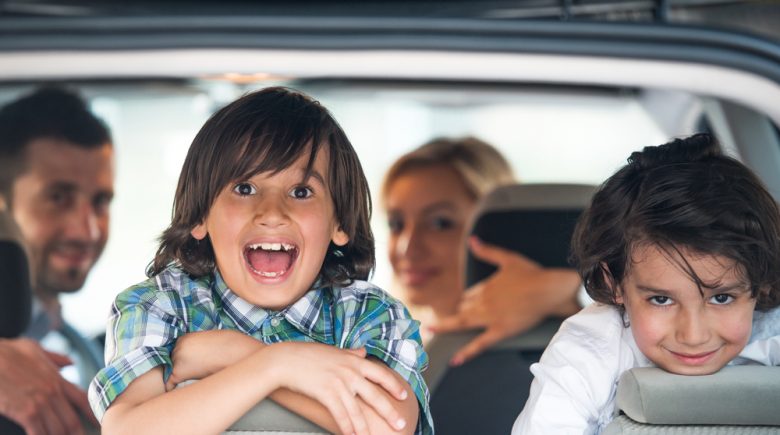
When people are driving with their infants in the car, they inadvertently put their little ones into harm’s way. Many parents make minor mistakes such as not buckling them in or forgetting about them as they navigate potholes and sharp turns. According to the National Highway Traffic Safety Administration (NHTSA), car crashes are one of the leading causes of death for children ages 1 to 13 in the United States. But there are a few things that you can do to make sure your baby is safe in the car and that you don’t end up with a lawsuit on your hands or worse.
Key Takeaways
- Car crashes are the leading cause of death for children ages 1–13 in the U.S., according to the NHTSA.
- An estimated 46% of car seats are installed incorrectly, based on data from the American Academy of Pediatrics (AAP).
- Children should remain in a rear-facing car seat until they reach the maximum height or weight limit allowed by the seat manufacturer, per NHTSA guidelines.
- Heatstroke is the leading cause of non-crash vehicle-related deaths for children under 15, with interior car temperatures rising 19°F in just 10 minutes, according to Kids and Cars Safety.
- The CDC reports that using the right car seat reduces the risk of death by up to 71% for infants and 54% for toddlers in crashes.
- Distracted driving — including attending to children — contributes to 8% of all fatal crashes annually, per the NHTSA distracted driving data.
Tips When Driving with Baby
1. Make Sure Your Child Can’t Reach the Gearshift
If you have a child under three or four years old, buckle them in or use a booster seat that fits the child’s size. You can also buy infant-sized car seats. Most of them are big enough to fit an adult and would be fine for your baby, too, if they’re tiny. The American Academy of Pediatrics (AAP) recommends keeping children in rear-facing seats as long as possible — at minimum through age 2 — for optimal crash protection.
Any large appliance like an oven should always have a lock on it because kids will find it and play with it. The same goes for vehicles. They should have locks on the gearshift. Kids’ brains can’t comprehend safety precautions until after their third birthday, and they usually don’t find their way to the gearshift until about 30 months of age. Many modern vehicles from manufacturers like Ford, Toyota, and GM include child safety locks on rear doors and electronic gearshift locks as standard features — check your owner’s manual to confirm whether your model includes them.
2. Be Careful When You’re Parking
If you have a baby, you should always leave your car unlocked in an emergency. But still, be mindful that they could get into things like your cell phone while you’re shopping or otherwise distracted. You might want to use grocery bags or a rubber band to secure the door closed, so it doesn’t latch automatically.
It’s also helpful to visualize where the keys are located. Make sure you’re using good judgment when putting your baby in the car seat and putting it in the back seat. There’s no room for your child to crawl out and make a quick escape. Auto-start is a good thing to have so that you don’t have to worry about your child accidentally starting the vehicle. The NHTSA’s backup camera mandate, which took effect in 2018, requires all new passenger vehicles to include rear-view cameras — a feature that significantly reduces the risk of backing over a child who has wandered behind the car.
Parking lot injuries involving young children are almost always preventable. The single most effective thing a parent can do is establish a habit of holding their child’s hand the moment a car door opens — no exceptions, no matter how short the walk to the entrance,
says Dr. Meredith Calloway, MD, MPH, Pediatric Emergency Medicine Physician at Children’s National Hospital.
3. Keep Your Baby Safe from Heat
If it’s hot outside and there’s no shade, keep the car locked and parked in the most excellent place on your property until it’s time to go somewhere. Make sure to put something flat like a towel underneath the baby seat for them to lay on so their backs don’t touch anything hot when you’re in the warmer weather. Keeping your AC on while the car is parked can keep it cool too.
This is especially critical because, according to Kids and Cars Safety, a nonprofit child vehicle safety organization, a car’s interior temperature can rise by 19°F in just 10 minutes and reach a deadly 125°F on a moderate 80°F day. It is also a good idea for toddlers who like to climb in and out of the vehicle.
4. Be Aware of Baby-Proofing Your Vehicle
There are numerous ways to do this, and it’ll vary depending on your vehicle’s model. Most parents have auto seats, strollers, and supporter seats secured with seat belts. One can lock the stroller with a patented safety harness by putting the strap into the buckle. Some parents use pet gates to keep their pets out of harm’s way and down from little fingers or toes that could get hurt if they touch an electrical cord or something other that might be dangerous for them.
The Safe Kids Worldwide organization recommends that parents regularly inspect their vehicle’s interior for loose hardware, exposed wiring near USB ports, and unsecured cargo in the back seat — all of which pose hazard risks for curious young children.
5. Never Leave Your Baby Unattended
Never leave your child alone in the auto, especially if you are not nearby. Even if you are only going to be gone for a few minutes, it’s never a good idea to assume that no harm will come to your baby, including accidents.
Still, it could cause them to pass out or indeed die of heat exposure due to the temperature rising so high in the auto, if your baby is crying when you leave them in the backseat with the door closed and windows rolled up. The CDC notes that on average, 38 children die from heatstroke in vehicles each year in the United States — and the majority of those cases involve a caregiver who was momentarily distracted or forgot the child was in the car. Some parents use their cell phones as an alarm system, too — that way, if someone comes around or tries to get into the vehicle, they’ll hear it and know something is wrong.
Parents often underestimate how quickly a vehicle becomes dangerous for a child left alone. Beyond heat, there are risks of accidental gear engagement, window entrapment, and trunk entrapment. No errand is short enough to justify leaving a child unattended in a vehicle,
says James Forrest, CPST-I, Certified Child Passenger Safety Technician Instructor and Senior Safety Educator at Safe Kids Worldwide.
6. Use a Safety Seat Belt That Is Designed for Infants and Toddlers
Still, it’s best to use an infant-rated car seat instead of a regular one designed for older children, if you have a baby under one. Their smaller frames might be in danger from the seat belt that children over age three should be using. The NHTSA confirms that using the correct car seat for a child’s age, height, and weight is the single most effective way to reduce injury in a crash, cutting the risk of death for infants by up to 71%.
But once your baby is big enough for a regular seat belt, you should make sure that your child is not strapped in too tightly. Check the harness so you can adjust it properly because it might be cutting into their necks. Always follow the manufacturer’s weight and height limits, which are printed on the label attached to the seat itself.
7. Be Aware of the Risks of the Road
Driving with a baby or toddler can be a little more challenging, but your children will be safer in your vehicle if you are careful. It’s challenging to put all of these tips into practice at once, but if you keep these things in mind as you drive with your toddler/baby in the car, it might help prevent any accidents. According to the Insurance Institute for Highway Safety (IIHS), in-vehicle distractions — including interaction with child passengers — are a documented factor in thousands of crashes each year.
Be sure to buckle them up and take them for regular checkups too. It’s best when you are a few years away from having kids to apply for auto insurance related to them. Speaking with a licensed auto insurance agent about adding a child rider or reviewing your personal injury protection (PIP) coverage limits is a smart step any new parent should take early.
8. Keep Your Baby’s Auto Seat Clean and Fitted Properly
Most auto seats are designed to keep your little one safe in a crash. Depending on the manufacturer, if you have a convertible seat, it could be rear-facing or forward-facing. You want to make sure your baby is harnessed into their seat correctly because if they slip out and get hurt, it’ll be hard to face the reality that something like that could happen when you are trying your best to keep them safe. The AAP advises that harness straps should be snug enough that you cannot pinch any excess webbing between your fingers at the child’s collarbone level.
9. Know Where Your Baby Is at All Times
Numerous parents ignore that they should always know where their child is in the auto. It’s dangerous if they are not in a specific part of the vehicle, even playing around with toys or getting some fresh air. Make sure to keep them away from hot surfaces, electrical cords, and fire. These are all things that are dangerous for them to be near.
Driving with kids can be a little tricky, but it’s still important that their safety is on your mind. It’s best to keep them safe while they are in your vehicle, especially if you have a baby seat or booster seat that they can use. Being aware of how dangerous the road can be and being cautious is part of the job. Do not forget it, and take care of your kids each step of the way until they reach driving age.
Car Seat Safety: Age, Weight, and Seat Type Quick Reference
| Child Age / Stage | Recommended Seat Type | Typical Weight Range | Facing Direction | Crash Risk Reduction |
|---|---|---|---|---|
| Birth to ~2 years | Infant or convertible car seat | Up to 35–40 lbs (seat dependent) | Rear-facing | Up to 71% reduction in infant fatality risk (NHTSA) |
| 2–4 years (or until max rear-facing limit) | Convertible car seat | Up to 40–65 lbs (seat dependent) | Rear-facing as long as possible | Up to 54% reduction in toddler fatality risk (CDC) |
| 4–8 years (once forward-facing limit reached) | Forward-facing car seat with harness | 22–65 lbs (seat dependent) | Forward-facing | Approximately 45% lower injury risk vs. seat belt alone (AAP) |
| 8–12 years (once booster height/weight met) | Belt-positioning booster seat | 40–120 lbs (seat dependent) | Forward-facing | 45% lower injury risk vs. seat belt alone (IIHS) |
| 12+ years (when seat belt fits properly) | Vehicle seat belt (lap + shoulder) | Typically over 4 ft 9 in tall | Forward-facing | Seat belts reduce fatality risk by 45% for adults and older children (NHTSA) |
Frequently Asked Questions
At what age can a child sit in the front seat of a car?
Children should ride in the back seat until at least age 13. The American Academy of Pediatrics (AAP) recommends the back seat for all children under 13 because front-seat airbags are designed for adult body size and can cause serious injury to smaller children in a crash.
How do I know if my car seat is installed correctly?
A properly installed car seat should not move more than 1 inch in any direction when tested at the base. The NHTSA maintains a national database of certified Child Passenger Safety Technicians (CPSTs) who can inspect your installation for free — visit SaferCar.gov to find an inspection station near you.
What is the safest position in a car for a child?
The center of the back seat is statistically the safest position for a child passenger. A study reviewed by the Insurance Institute for Highway Safety (IIHS) found that children seated in the center rear position face a lower risk of injury in side-impact crashes compared to those seated at either rear window position.
How hot does a car get when left in the sun, and how quickly?
A car’s interior temperature can rise 19°F in just 10 minutes and up to 50°F within an hour, even on a mild day. According to Kids and Cars Safety, cracking windows makes little measurable difference — the only safe option is never leaving a child alone in a parked vehicle.
When should I switch my child from a rear-facing to a forward-facing car seat?
You should keep your child rear-facing until they reach the maximum height or weight limit set by the car seat manufacturer — not simply until they turn 2. The AAP updated its guidance to emphasize manufacturer limits over age milestones because rear-facing provides superior crash protection for a child’s head, neck, and spine.
Does auto insurance cover injuries to child passengers?
Yes — most standard auto insurance policies include medical payments coverage (MedPay) or personal injury protection (PIP) that covers medical expenses for all vehicle occupants, including children, regardless of fault. Coverage limits and requirements vary by state, so it is worth reviewing your policy with a licensed agent, especially after a new child joins the family.
What should I do if my child’s car seat was in a car accident?
Most manufacturers and the NHTSA recommend replacing a car seat after any moderate to severe crash, even if no visible damage is apparent. In a minor crash — defined as one where the vehicle could be driven away, no airbags deployed, and no injuries occurred — some manufacturers allow continued use. Always check with the specific seat manufacturer before making that determination.
How can I keep my child entertained on long drives without distracting myself?
Pre-loading a tablet or portable media player with age-appropriate videos and audiobooks before the trip is one of the most effective strategies. The CDC classifies interacting with passengers — including children — as a cognitive distraction, so pulling over safely when a child needs direct attention is always the recommended approach rather than attempting to assist while driving.
What are the legal consequences of leaving a child unattended in a vehicle?
Laws vary by state, but as of May 2026, more than 20 U.S. states have specific statutes making it illegal to leave a young child unattended in a vehicle, with penalties ranging from fines to felony child endangerment charges depending on the outcome. Some states set the age threshold at 6 years old, while others extend it to 10. Parents should check their state’s specific statutes, as enforcement has increased significantly in recent years.
When should I update my auto insurance after having a child?
You should review your auto insurance policy as soon as possible after having a child. At minimum, confirm that your personal injury protection (PIP) limits and medical payments (MedPay) coverage are sufficient to cover pediatric medical costs, which can be substantial. Many insurers — including large carriers — allow mid-term policy reviews at no fee.
Sources
- National Highway Traffic Safety Administration (NHTSA) — Child Safety
- American Academy of Pediatrics (AAP) — Car Safety Seats: A Guide for Families
- Centers for Disease Control and Prevention (CDC) — Child Passenger Safety Fact Sheet
- Insurance Institute for Highway Safety (IIHS) — Child Safety
- Safe Kids Worldwide — Car Seat Safety Tips
- Kids and Cars Safety — Heatstroke Prevention
- NHTSA — Rear Visibility and Backup Camera Rule
- Insurance Institute for Highway Safety (IIHS) — Distracted Driving
- NHTSA — Distracted Driving Overview
- NHTSA — Car Seats and Booster Seats: Choosing the Right Seat
- CDC — Distracted Driving
- HealthyChildren.org (AAP) — Car Safety Seats: Information for Families
- Consumer Reports — Car Seat Buying Guide
- SaferCar.gov (NHTSA) — Parents Central Car Seat Guide
- Children’s National Hospital — Pediatric Emergency Medicine