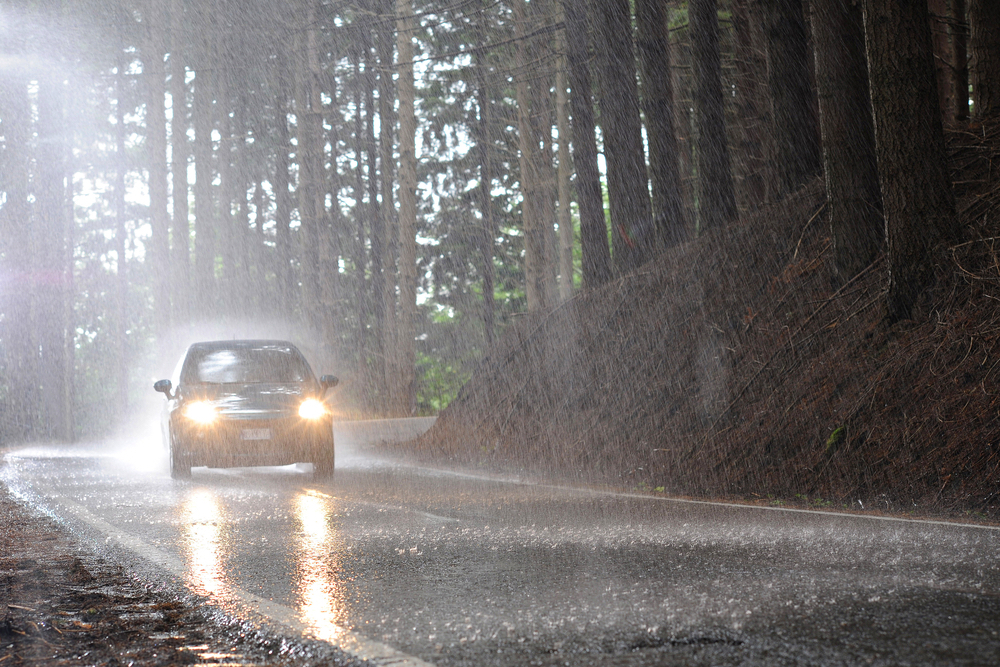
Driving in the rain is more dangerous than driving during other conditions because you have to worry about other drivers who may not be paying attention, poor visibility, and slippery roads. So when it’s wet out, it’s important to be safe by paying attention and keeping yourself aware of what’s going on around you at all times. You should always review your car’s manual before traveling and make sure you have any necessary items such as an umbrella or a water repellant top. There is also a lot to know about the way rain affects visibility on the road, so it’s important to know what these are before driving.
It’s important to note that rainy weather can make driving difficult for both manual and auto cars. But with these tips, you’ll be able to keep a level head and stay safe behind the wheel during inclement weather. Don’t worry – it’s all easy enough to remember and will get you through just about any rainstorm!
Check your windshield wipers
Visibility in the rain can be extremely limited and even treacherous. Raindrops on your windshield will reduce visibility because they can bounce light off the windshield and make it difficult to see. The wet asphalt on the road can also create this reflection when hit by light, which makes visibility even worse. When driving in the rain you’ll need to use your wipers, but not all wipers are created equal. Your wiper blades should be changed every 6 months at a minimum and replaced as soon as necessary to ensure you get a clear view of the road ahead of you. Make sure you have some window cleaner in your car as well – you’ll need it to keep the windows clear of road grime after the rain has passed.
Ensure that all of your lights are working properly
You should also make sure your headlights work properly so that you can see in the rain, and other cars on the road can see you. It’s important to replace the headlight bulbs when necessary and to keep them clean so that they shine brightly on the pavement in front of you. You should also keep your windshield clean inside and out in case of rain. Check that your turn signals and brake lights are working before driving on any wet roads. If they’re not, they could become damaged while you’re out on the road, making you an even bigger hazard to other drivers. Any dirt or grime on your windshield will cause unnecessary reflection and make visibility more difficult. Lastly, if possible, try to keep your windows rolled down a bit, this will help with visibility and allow for a quicker drying time after a rainy trip.
Keep your tires as full as possible
This is to avoid hydroplaning. Hydroplaning is when a car tire comes into contact with more water than it can disperse. The water pressure in front of the wheel pushes the water under the wheel. This reduces tire and road contact and increases the chances of an accident. Driving on low tire pressure won’t give you that much control over your vehicle, so keep those tires pumped up before hitting the road in heavy rain.
Be aware of how fog works
Occasionally when it rains, fog can roll in afore or after the rain begins to fall. This is because rain tends to make the air cooler, which can cause fog to develop as it forms. The bad thing about foggy conditions is that it can be catchy to see other vehicles, so there’s additional room for error when driving.
Try to keep your speed low
You should drive slower, especially on wet roads, where the dampness makes them indeed unsafe for any type of fast driving. When driving during tempestuous rainfall, stay in the lane that has the most traffic and make sure that you maintain a speed of about 20 miles per hour (30km/ h), unless you are passing anothercar.However, do not panic, If you get in an accident or a wreck. Remember that you are insured. concentrating on each other’s automobiles while driving side by side is easy because most motorists will see you before they see anythingelse.However, honk your horn loudly so they know you are there and alert them that their automobile has been cut off from the lane they’re trying to overtake, If someone cuts you off.
Watch out for the sometimes hidden puddles
Some downfalls can produce a lot of small, hidden puddles that motorists may not suspect. Make sure you watch out for these and avoid making contact with any of them. They can cause some serious damage to your vehicle if they get big enough.
Don’t use cruise control while driving in the rain
In wet conditions, cruise control systems will have lower effect than normal, which could increase your chances of having an accident due to the lack of proper motorist focus. On low traction surfaces, cruise control increases the chances of hydroplaning and may cause the vehicle to skid or indeed spin.
Manual transmission automobiles can have problems when they’ve an oil or water leak, but you do not need to change your oil or get it checked if it’s underwarranty.However, go to your nearest dealership where they’ll fix it, If there is a mechanical problem.
Rain is one of the leading causes of accidents in the United States, which can be both dangerous and hard to avoid. Statistics show that every year on average 875 people are killed by rain- related accidents and2.6 million are injured as a result of these accidents. Motorists generally encounter rain during their commute to work, while driving on roadways, or while awaiting at lights, so it’s important to know how rain affects your visibility on the road. The key is to stay focused on the road and be conservative so that nothing bad happens to you or your automobile.
Driving in the rain is more dangerous than driving during other conditions because you have to worry about other drivers who may not be paying attention, poor visibility, and slippery roads. So when it’s wet out, it’s important to be safe by paying attention and keeping yourself aware of what’s going on around you at all times. You should always review your car’s manual before traveling and make sure you have any necessary items such as an umbrella or a water repellant top. There is also a lot to know about the way rain affects visibility on the road, so it’s important to know what these are before driving.
It’s important to note that rainy weather can make driving difficult for both manual and auto cars. But with these tips, you’ll be able to keep a level head and stay safe behind the wheel during inclement weather. Don’t worry – it’s all easy enough to remember and will get you through just about any rainstorm!
Check your windshield wipers
Visibility in the rain can be extremely limited and even treacherous. Raindrops on your windshield will reduce visibility because they can bounce light off the windshield and make it difficult to see. The wet asphalt on the road can also create this reflection when hit by light, which makes visibility even worse. When driving in the rain you’ll need to use your wipers, but not all wipers are created equal. Your wiper blades should be changed every 6 months at a minimum and replaced as soon as necessary to ensure you get a clear view of the road ahead of you. Make sure you have some window cleaner in your car as well – you’ll need it to keep the windows clear of road grime after the rain has passed.
Ensure that all of your lights are working properly
You should also make sure your headlights work properly so that you can see in the rain, and other cars on the road can see you. It’s important to replace the headlight bulbs when necessary and to keep them clean so that they shine brightly on the pavement in front of you. You should also keep your windshield clean inside and out in case of rain. Check that your turn signals and brake lights are working before driving on any wet roads. If they’re not, they could become damaged while you’re out on the road, making you an even bigger hazard to other drivers. Any dirt or grime on your windshield will cause unnecessary reflection and make visibility more difficult. Lastly, if possible, try to keep your windows rolled down a bit, this will help with visibility and allow for a quicker drying time after a rainy trip.
Keep your tires as full as possible
This is to avoid hydroplaning. Hydroplaning is when a car tire comes into contact with more water than it can disperse. The water pressure in front of the wheel pushes the water under the wheel. This reduces tire and road contact and increases the chances of an accident. Driving on low tire pressure won’t give you that much control over your vehicle, so keep those tires pumped up before hitting the road in heavy rain.
Be aware of how fog works
Occasionally when it rains, fog can roll in afore or after the rain begins to fall. This is because rain tends to make the air cooler, which can cause fog to develop as it forms. The bad thing about foggy conditions is that it can be catchy to see other vehicles, so there’s additional room for error when driving.
Try to keep your speed low
You should drive slower, especially on wet roads, where the dampness makes them indeed unsafe for any type of fast driving. When driving during tempestuous rainfall, stay in the lane that has the most traffic and make sure that you maintain a speed of about 20 miles per hour (30km/ h), unless you are passing anothercar.However, do not panic, If you get in an accident or a wreck. Remember that you are insured. concentrating on each other’s automobiles while driving side by side is easy because most motorists will see you before they see anythingelse.However, honk your horn loudly so they know you are there and alert them that their automobile has been cut off from the lane they’re trying to overtake, If someone cuts you off.
Watch out for the sometimes hidden puddles
Some downfalls can produce a lot of small, hidden puddles that motorists may not suspect. Make sure you watch out for these and avoid making contact with any of them. They can cause some serious damage to your vehicle if they get big enough.
Don’t use cruise control while driving in the rain
In wet conditions, cruise control systems will have lower effect than normal, which could increase your chances of having an accident due to the lack of proper motorist focus. On low traction surfaces, cruise control increases the chances of hydroplaning and may cause the vehicle to skid or indeed spin.
Manual transmission automobiles can have problems when they’ve an oil or water leak, but you do not need to change your oil or get it checked if it’s underwarranty.However, go to your nearest dealership where they’ll fix it, If there is a mechanical problem.
Rain is one of the leading causes of accidents in the United States, which can be both dangerous and hard to avoid. Statistics show that every year on average 875 people are killed by rain- related accidents and2.6 million are injured as a result of these accidents. Motorists generally encounter rain during their commute to work, while driving on roadways, or while awaiting at lights, so it’s important to know how rain affects your visibility on the road. The key is to stay focused on the road and be conservative so that nothing bad happens to you or your automobile.