
Fact-checked by the The Insurance Scout editorial team
Quick Answer
As of July 2025, homeowners insurance does not cover flood damage — they are two entirely separate policies. Most homeowners need both: a standard policy for fire, wind, and theft, plus a separate flood policy through the National Flood Insurance Program (NFIP) or a private insurer. Average flood insurance costs $888 per year through NFIP, and the 30-day waiting period means you cannot wait until a storm is approaching to buy coverage.
Understanding flood insurance vs homeowners insurance is one of the most important coverage decisions a homeowner can make — and one of the most misunderstood. As of July 2025, standard homeowners insurance policies explicitly exclude flood damage, meaning a single flood event can leave you with tens of thousands of dollars in uncovered losses. According to FEMA’s flood insurance data, just one inch of floodwater can cause more than $25,000 in damage to a home.
Flood losses have surged in recent years. The NOAA National Centers for Environmental Information reports that flood-related disasters have increased dramatically over the past decade, with billions in annual damages — yet more than 75% of U.S. homeowners lack flood insurance coverage, according to FEMA estimates. Climate shifts are pushing flood risk into areas historically considered low-risk, making this question more urgent than ever.
This guide is for homeowners, first-time buyers, and renters who want a clear, honest answer on whether they need one policy or both. By the end, you will know exactly what each policy covers, what it costs, and how to decide whether to buy flood insurance even if you are not required to.
Key Takeaways
- Flood damage is not covered by standard homeowners insurance — it requires a completely separate policy, according to the Federal Emergency Management Agency (FEMA).
- The average NFIP flood insurance premium is $888 per year, though FEMA’s Risk Rating 2.0 has shifted costs significantly for many homeowners.
- Homeowners in FEMA-designated Special Flood Hazard Areas (SFHAs) with a federally backed mortgage are legally required to carry flood insurance, per FEMA mandatory purchase requirements.
- 23% of all flood insurance claims come from outside high-risk flood zones, according to FEMA flood insurance statistics — meaning low-risk does not mean no-risk.
- NFIP policies cap coverage at $250,000 for the building and $100,000 for contents — high-value homes may need excess flood coverage through private insurers like Neptune Flood or Lloyd’s of London.
- There is a 30-day waiting period before most NFIP flood policies take effect, so purchasing coverage cannot wait until a storm is already in the forecast.
In This Guide
- Step 1: What Does Homeowners Insurance Actually Cover?
- Step 2: What Does Flood Insurance Cover That Homeowners Insurance Does Not?
- Step 3: Do I Actually Need Both Flood Insurance and Homeowners Insurance?
- Step 4: How Much Does Flood Insurance Cost and Is It Worth It?
- Step 5: How Do I Buy Flood Insurance and Where Do I Get It?
- Step 6: What Are the Gaps in Flood Insurance Coverage?
- Frequently Asked Questions
Step 1: What Does Homeowners Insurance Actually Cover?
A standard homeowners insurance policy covers damage from fire, wind, hail, lightning, theft, and vandalism — but it does not cover flooding from outside the home. This is the single most critical distinction in the flood insurance vs homeowners insurance debate, and it surprises many homeowners after a loss.
What a Standard Policy Includes
Most homeowners policies are structured around six core coverage types: dwelling coverage (your home’s structure), other structures, personal property, loss of use, personal liability, and medical payments. The Insurance Information Institute provides a detailed breakdown of standard homeowners insurance coverage.
A standard HO-3 policy — the most common form sold in the U.S. — covers your dwelling on an open-perils basis, meaning all causes of loss are covered unless specifically excluded. Flood is always on that exclusion list.
What to Watch Out For
Water damage is a gray area. Homeowners insurance typically covers sudden and accidental internal water damage — like a burst pipe or an appliance leak. It does not cover water that enters from outside the home due to flooding, storm surge, or saturated ground. Confusing the two is one of the most common homeowners insurance mistakes that lead to denied claims.
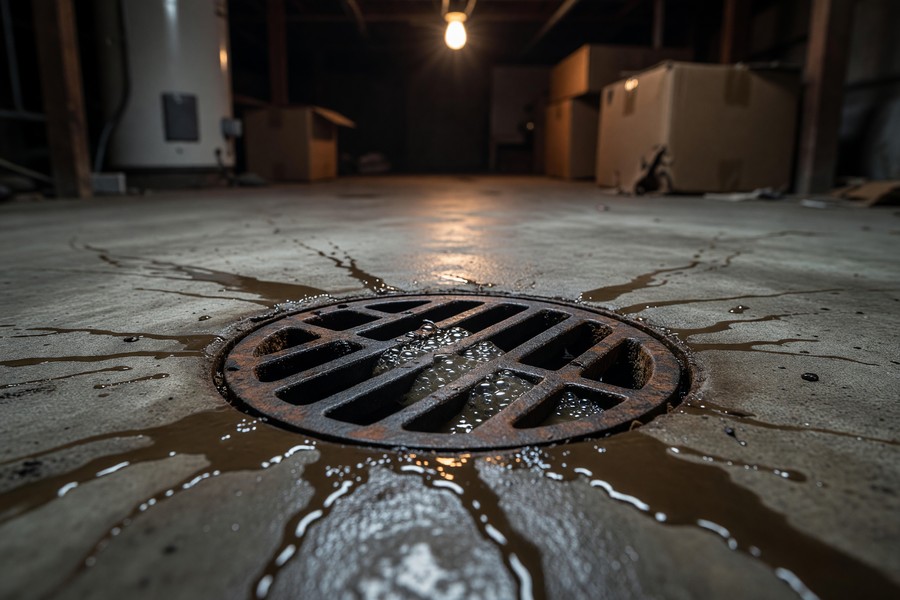
Even if your basement floods from heavy rain that backs up through your drain, standard homeowners insurance will likely deny the claim. This is classified as flood or sewer backup — both excluded perils that require separate riders or policies.
Step 2: What Does Flood Insurance Cover That Homeowners Insurance Does Not?
Flood insurance specifically covers physical damage caused by external flooding — water that overflows from rivers, lakes, storm drains, or heavy rainfall that pools on land. In the flood insurance vs homeowners insurance comparison, flood insurance fills a gap that can otherwise bankrupt a homeowner.
NFIP Coverage Breakdown
The National Flood Insurance Program (NFIP), managed by FEMA, offers two types of coverage: building property coverage and personal property (contents) coverage. These are sold as separate policies — you must purchase both if you want full protection.
Building coverage under the NFIP pays for damage to the physical structure, including the foundation, electrical and plumbing systems, HVAC equipment, built-in appliances, and permanently installed flooring. Contents coverage pays for furniture, electronics, clothing, and other personal belongings.
What Flood Insurance Does Not Include by Default
NFIP contents coverage must be purchased separately — it is not automatic. Many homeowners buy only the building policy and discover too late that their furniture, electronics, and clothing are unprotected. Always purchase both components if you want comprehensive flood protection.

NFIP flood insurance does not cover temporary housing costs while your home is being repaired. If displacement coverage is important to you, look for private flood insurance policies that include this benefit, or ensure your homeowners policy has sufficient loss-of-use coverage for non-flood perils.
Step 3: Do I Actually Need Both Flood Insurance and Homeowners Insurance?
Yes — for the vast majority of homeowners, carrying both flood insurance and homeowners insurance is the only way to be fully protected. Each policy covers an entirely different set of risks, and the gap between them is enormous in a disaster scenario.
When You Are Required to Have Both
If your home is located in a FEMA-designated Special Flood Hazard Area (SFHA) — commonly called a 100-year flood zone — and you have a mortgage backed by a federal lender, you are legally required to maintain flood insurance. This mandatory purchase requirement applies to loans from federally regulated or insured lenders, per FEMA’s mandatory purchase guidelines.
Homeowners insurance is separately required by virtually every mortgage lender regardless of flood zone. Lenders require it to protect their collateral. So if you have a mortgage, you almost certainly need both.
When You Should Consider Flood Insurance Even Without a Requirement
Living outside a high-risk flood zone does not mean flood insurance is unnecessary. FEMA data shows that 23% of flood insurance claims come from outside mapped high-risk areas. Flood patterns are also shifting — areas that were historically low-risk are experiencing new flooding as a result of changing rainfall patterns and infrastructure aging.
If you are a first-time homebuyer reviewing coverage before closing, this is the exact moment to check your flood zone designation and decide whether to add a flood policy before you move in.
“Flood is the most common and costly natural disaster in the United States, and no homeowner should assume their standard policy will respond to flood losses. The coverage gap is absolute — not partial.”
Below is a direct comparison of the two policy types to help you see the coverage split clearly.
| Coverage Feature | Homeowners Insurance (HO-3) | Flood Insurance (NFIP) |
|---|---|---|
| Flood / Storm Surge | Not covered | Covered |
| Fire / Lightning | Covered | Not covered |
| Wind / Hail | Covered | Not covered |
| Theft / Vandalism | Covered | Not covered |
| Burst Pipes | Covered (sudden/accidental) | Not covered |
| Foundation Damage from Flood | Not covered | Covered (building policy) |
| Personal Property | Covered (up to policy limit) | Covered (up to $100,000, separate policy) |
| Temporary Living Expenses | Covered (loss of use) | Not covered under NFIP |
| Liability Protection | Covered | Not covered |
| Building Coverage Limit | Up to dwelling coverage limit | Up to $250,000 (NFIP) |
| Average Annual Cost | $1,428 (national average, 2024) | $888 (NFIP average) |
| Waiting Period | Typically none | 30 days (NFIP standard) |
The average NFIP flood insurance claim payment is $52,000, according to FEMA historical data — far more than the average annual premium of $888. That represents a significant financial risk for any homeowner who skips coverage.
Step 4: How Much Does Flood Insurance Cost and Is It Worth It?
The average NFIP flood insurance policy costs $888 per year, but your actual premium depends on your specific flood risk, elevation, coverage amount, and deductible. FEMA’s updated Risk Rating 2.0 methodology, rolled out in 2021 and 2022, now prices policies based on individual property risk rather than flood zone alone — meaning costs vary widely.
Factors That Affect Your Flood Insurance Premium
Under Risk Rating 2.0, FEMA considers the distance your home sits from a water source, your home’s elevation relative to flood levels, the cost to rebuild your property, and the types of flood risk present in your area (riverine flooding, storm surge, coastal flooding). Homes with higher elevation and lower rebuilding costs generally receive lower premiums.
You can look up your property’s flood risk and estimated insurance cost using FEMA’s FloodSmart.gov tool. This site also provides a list of participating NFIP-approved insurers in your area.
Is Flood Insurance Worth It If You Are Not Required to Buy It?
For most homeowners, yes. A $888 annual premium against the average $52,000 flood claim — and potentially far larger losses — represents strong financial value. Even homeowners in moderate-risk zones (Zone X) can purchase a Preferred Risk Policy at a significantly reduced rate, sometimes as low as a few hundred dollars per year.
If you recently renovated your home, it is worth reviewing both policies. A home renovation can affect your homeowners insurance coverage limits, and the same logic applies to flood insurance — a higher rebuilding cost may require higher flood coverage limits as well.
Raising your flood insurance deductible from $1,000 to $5,000 can reduce your annual premium by 20–40%. This strategy works well if you have an emergency fund large enough to cover the deductible but want to lower recurring costs. Always weigh the deductible against the premium savings using your insurer’s quote tool.
Step 5: How Do I Buy Flood Insurance and Where Do I Get It?
You can buy flood insurance through the NFIP via a licensed insurance agent, directly through FEMA’s Direct Servicing Agent, or through a private flood insurer. Most homeowners start with the NFIP because it is federally backed and widely available, but private options are worth comparing for better pricing or higher limits.
How to Purchase an NFIP Policy
Contact your current homeowners insurance agent — many agents are already licensed to sell NFIP policies. You can also use FEMA’s insurance provider search tool to find a participating agent near you. You will need your property address, elevation certificate (if available), and mortgage information.
An Elevation Certificate, prepared by a licensed surveyor or engineer, documents your home’s elevation relative to the Base Flood Elevation (BFE). While not always required to purchase coverage, it can significantly reduce your premium if your home is elevated above the BFE. Ask your agent whether obtaining one makes financial sense for your property.
Private Flood Insurance: When to Consider It
Private flood insurers like Neptune Flood, Zurich, and policies placed through Lloyd’s of London syndicates have gained significant market share since FEMA began encouraging competition. Private policies can offer higher coverage limits, shorter waiting periods (sometimes as little as 10 days), and additional benefits like temporary living expense coverage.
For high-value homes where the NFIP’s $250,000 building cap is insufficient, a private excess flood policy — which sits above the NFIP policy — may be necessary. Talk to an independent agent who can quote both NFIP and private options side by side.

“Homeowners consistently underestimate flood risk because they have never flooded before. But past performance is not an indicator of future flood risk — especially as rainfall intensity increases. Getting a quote costs nothing and takes minutes.”
Step 6: What Are the Gaps in Flood Insurance Coverage?
Even with both homeowners and flood insurance in place, there are meaningful gaps you need to know about. Understanding these exclusions ensures you do not face a surprise denied claim after a major event.
Key NFIP Exclusions
NFIP flood insurance does not cover: additional living expenses while your home is being repaired, financial losses caused by business interruption, vehicles (covered under comprehensive auto insurance instead), outdoor property like landscaping and fences, currency or valuable papers, and most basement contents beyond major appliances.
Basement coverage under the NFIP is especially limited. While the structure of a basement is covered, most personal property stored there — including furniture and electronics — is not. This catches many homeowners off guard after a claim.
The Sewer Backup Gap
Sewer or drain backup — where water enters the home through a drain or sewer line — is not covered by either standard homeowners insurance or NFIP flood insurance by default. It requires a specific sewer backup endorsement added to your homeowners policy. This is a separate, inexpensive add-on that many homeowners overlook. Understanding how named perils vs open perils coverage works can help you identify these gaps in your existing policies.
Also worth noting: flood insurance does not include any liability coverage. If a guest is injured on your property during a flood event, your homeowners insurance handles that claim — not the flood policy. If you want to understand how coverage limits interact across policies, reviewing concepts like actual cash value vs replacement cost coverage is a useful next step for structuring adequate protection.
NFIP flood insurance has a standard 30-day waiting period before coverage takes effect. If a tropical storm is approaching and you purchase a policy the day before, you will not be covered. The only exceptions are when coverage is purchased at the time of a property closing or when mandated by a lender.
Frequently Asked Questions
Does homeowners insurance cover flooding from heavy rain?
No — homeowners insurance does not cover flooding from heavy rain, storm surge, or any water that enters the home from outside. This is an explicit exclusion in virtually all standard homeowners policies. Only a separate flood insurance policy through the NFIP or a private insurer will cover this type of damage.
How do I know if I am in a flood zone that requires flood insurance?
You can check your property’s official flood zone designation using FEMA’s Flood Map Service Center. Enter your address to view your Flood Insurance Rate Map (FIRM) and determine whether you are in a Special Flood Hazard Area (SFHA). If your lender has notified you of a flood insurance requirement, you are almost certainly in a high-risk zone.
Can I get flood insurance if I am not in a high-risk flood zone?
Yes — any property owner in an NFIP-participating community can purchase flood insurance regardless of flood zone. Homeowners in low-to-moderate risk zones (Zone X) are often eligible for a Preferred Risk Policy at significantly reduced premiums. FEMA reports that 23% of all flood claims come from outside designated high-risk zones.
How long does the flood insurance waiting period take?
The standard waiting period for an NFIP flood policy is 30 days from the date of purchase. This means coverage is not active immediately. Exceptions exist: there is no waiting period when flood insurance is purchased at the time of a real estate closing, or when coverage is required by a lender as part of a loan transaction.
What is the maximum coverage I can get under the NFIP?
The NFIP caps building coverage at $250,000 for residential properties and contents coverage at $100,000. If your home’s rebuilding cost exceeds $250,000 — which is common in higher-cost markets — you will need to supplement with an excess or private flood insurance policy. Companies like Neptune Flood and insurers in the Lloyd’s of London market offer excess flood coverage above NFIP limits.
Should I buy separate flood insurance if I already have homeowners insurance?
Yes, if you face any meaningful flood risk — and most U.S. homeowners do. Homeowners insurance and flood insurance cover entirely different perils and neither policy substitutes for the other. Given that the average flood claim exceeds $52,000 and the average NFIP premium is roughly $888 per year, the math strongly favors carrying flood coverage in most situations.
Does flood insurance cover my car if it is damaged in a flood?
No — neither homeowners insurance nor flood insurance covers your vehicle. Flood damage to a car is covered under the comprehensive coverage portion of your auto insurance policy. If you only carry liability or collision coverage, your flooded vehicle will not be covered. This is a separate decision from your home insurance choices.
What happens if I stop paying flood insurance when my mortgage is paid off?
Once your mortgage is paid off, flood insurance is no longer legally required even if you are in a high-risk flood zone — but that does not mean it is wise to drop it. Your flood risk does not change when your loan is paid off, and you would absorb 100% of any flood loss out of pocket. Financial advisors and insurance professionals consistently recommend maintaining flood coverage regardless of mortgage status.
Can I get flood insurance with a 30-day closing deadline?
Yes — when flood insurance is purchased as part of a real estate closing, FEMA waives the standard 30-day waiting period, and coverage becomes effective immediately at closing. This is one of the few exceptions to the waiting period rule. Your lender or closing agent will coordinate the flood insurance purchase as part of the closing process if your property is in a required flood zone.
Is private flood insurance better than NFIP flood insurance?
It depends on your property’s specifics. Private flood insurance can offer shorter waiting periods, higher coverage limits, and additional benefits like loss of use coverage that NFIP policies exclude. However, private policies may also be non-renewable in certain markets. The best approach is to obtain quotes from both NFIP and at least one or two private carriers through an independent agent and compare coverage terms, not just price.
Sources
- FEMA — National Flood Insurance Program Overview
- FEMA — Mandatory Purchase of Flood Insurance Guidelines
- FEMA — Risk Rating 2.0: Equity in Action
- FEMA — Flood Map Service Center
- FloodSmart.gov — Official NFIP Consumer Resource
- Insurance Information Institute — What Is Covered by Standard Homeowners Insurance
- Insurance Information Institute — Flood Insurance Facts and Statistics
- NOAA NCEI — Billion-Dollar Weather and Climate Disasters
- Consumer Financial Protection Bureau — What Is Flood Insurance?
- Biggert-Waters Flood Insurance Reform Act — U.S. Congress